Understanding Global Connections
Telecoupling research explores the novel and faster ways of connecting the whole planet — from big events like global climate change and natural disasters to daily occurrences like tourism, trade, migration, pollution spread, flows of information and financial capital, and invasion of animal and plant species.
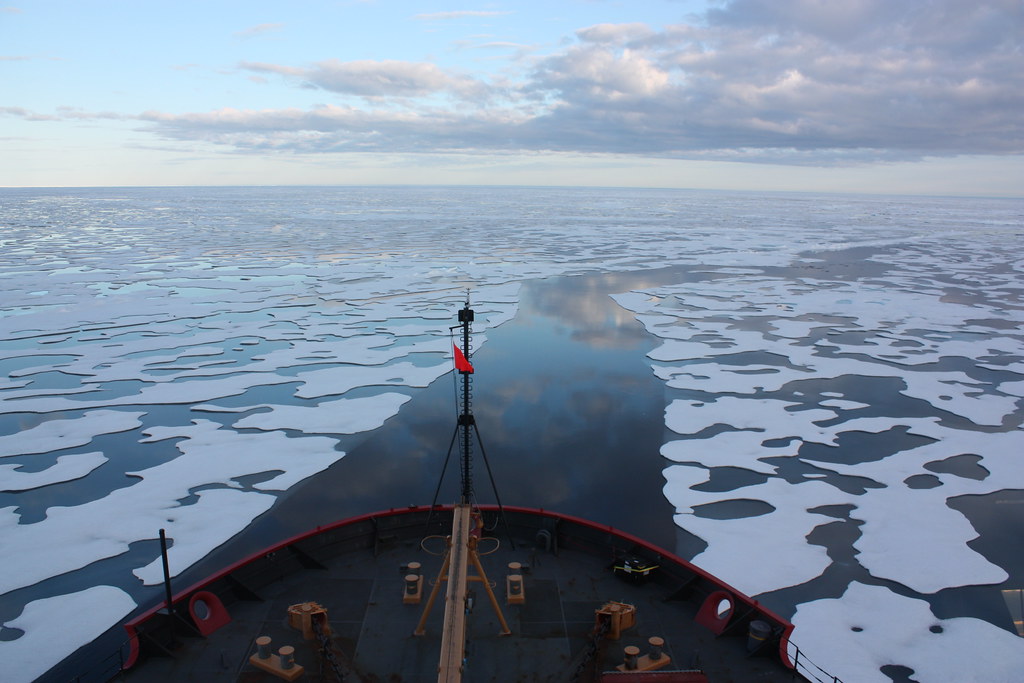
Community Vessel Traffic Summaries
We collect data on vessel traffic around Alaska, including the number and types of vessels traveling near participating communities. Each community summary includes an animation of vessel traffic, annual counts of unique vessels, and vessel counts by type.
- Brevig Mission Report 2015-2020
- Council Report 2015-2020
- Diomede Report 2015-2020
- Elim Report 2015-2020
- Gambell Report 2015-2020
- Golovin Report 2015-2020
- Saint Michael Report 2015-2020
- King Island Report 2015-2020
- Koyuk Report 2015-2020
- Mary’s Igloo Report 2015-2020
- Nome Report 2015-2020
- Savoonga Report 2015-2020
- Shaktoolik Report 2015-2020
- Shishmaref Report 2015-2020
- Solomon Report 2015-2020
- Stebbins Report 2015-2020
- Teller Report 2015-2020
- Wales Report 2015-2020
- White Mountain Report 2015-2020
Supporting Resources
Vessel Monitoring Factsheet
Learn how vessel traffic is monitored and how to interpret the information presented in the community summaries.
Vessel Traffic Hotspot Analysis
Explore Bella Block’s poster examining vessel traffic hotspots within IMO “Areas to be Avoided” in the Bering Sea and Bering Strait. AMSS 2024
Managing Increased Rates of Vessel Traffic in the Bering Strait
Explore vessel traffic patterns in the Bering Strait, how “Areas to Be Avoided” influence vessel behavior, and local perspectives on shipping and subsistence. ICASS 2024.
Publications
Remer M.F., Block I.R., Perry E., Schmidt, J.I., Liu J. (2026) Alaska Visitors’ Knowledge about Invasive Species in a Warming Arctic. Biological Invasion. 28: 117. https://doi.org/10.1007/s10530-026-03801-x
Block I.R., Remer M.F., Kapsar K.E., Schmidt J.I. (2025) Analysis on the effectiveness of International Maritime Organization’s ‘Areas to be Avoided’ policy on vessel traffic in the Bering Strait (2015–2022). Marine Policy 181, 106849. https://doi.org/10.1016/j.biocon.2024.110797